
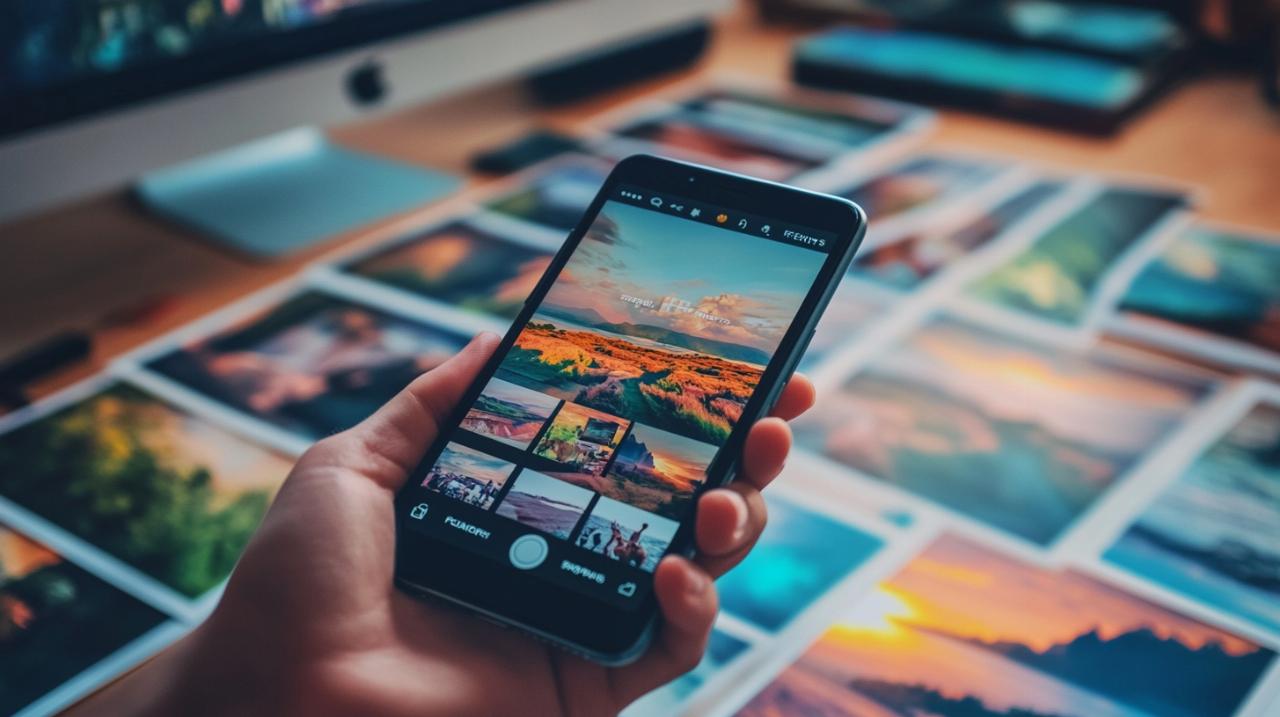
The rise of smartphone photography has fundamentally altered how we capture and store our most treasured moments, yet a curious trend has emerged in recent years that bridges the gap between digital convenience and tactile nostalgia. As millions of images accumulate in our mobile libraries, a growing number of individuals are rediscovering the joy of holding a physical photograph, and innovative applications have responded by making this process remarkably straightforward and affordable. The FreePrints app stands at the forefront of this movement, offering a service that transforms the way people interact with their digital collections whilst addressing the economic barriers that have traditionally limited access to professional-quality prints.
Transforming mobile photography into tangible keepsakes
The Evolution from Digital Storage to Physical Keepsakes
The global photo printing market reveals a fascinating contradiction in our increasingly digital age. Valued at approximately twenty-seven billion pounds in 2026 and projected to reach over thirty-four billion by 2031, this sector demonstrates that physical photographs retain their emotional significance despite our reliance on cloud storage and social media galleries. Smartphone photography has become ubiquitous, with billions of images captured annually, yet the overwhelming majority remain trapped within digital devices, rarely revisited and seldom shared in meaningful ways. This accumulation of forgotten memories has sparked a counter-movement, driven partly by nostalgia and partly by the recognition that tangible prints offer a different quality of engagement compared to scrolling through endless camera rolls.
How smartphone applications revolutionised print services
The transformation of photo printing from a specialised retail service to a mobile-first experience represents one of the most significant shifts in the consumer market. Applications have eliminated the traditional friction points associated with printing photographs, removing the need to transfer files to computers, navigate complex ordering systems, or visit physical retail locations. This convenience has attracted substantial numbers of new customers to the photo printing market, with industry data suggesting that smartphone apps are responsible for drawing in fresh audiences who might never have engaged with traditional printing services. Remarkably, more than twenty percent of users accessing these services through mobile platforms represent entirely new customers to established brands, whilst some European providers report that over half of their first-time mobile purchasers had never previously ordered prints through any channel.
Understanding the freeprints phenomenon: quality meets affordability
The business model behind complimentary monthly allowances
The FreePrints approach challenges conventional expectations about product pricing in the photo printing market by offering up to forty-five complimentary six-by-four prints each month. This model operates on a straightforward principle: users receive high-quality prints without charge, paying only for postage, which typically amounts to less than four pounds. This structure has proven remarkably successful in building customer loyalty whilst maintaining profitability through shipping fees and optional upgrades to larger formats or premium products such as photobooks. The strategy reflects broader trends in e-commerce where subscription services and promotional offerings create pathways for consumer engagement that traditional retail models struggled to achieve. Seven out of ten popular photo applications now incorporate print services, recognising that this feature adds value to their core offerings whilst generating additional revenue streams.
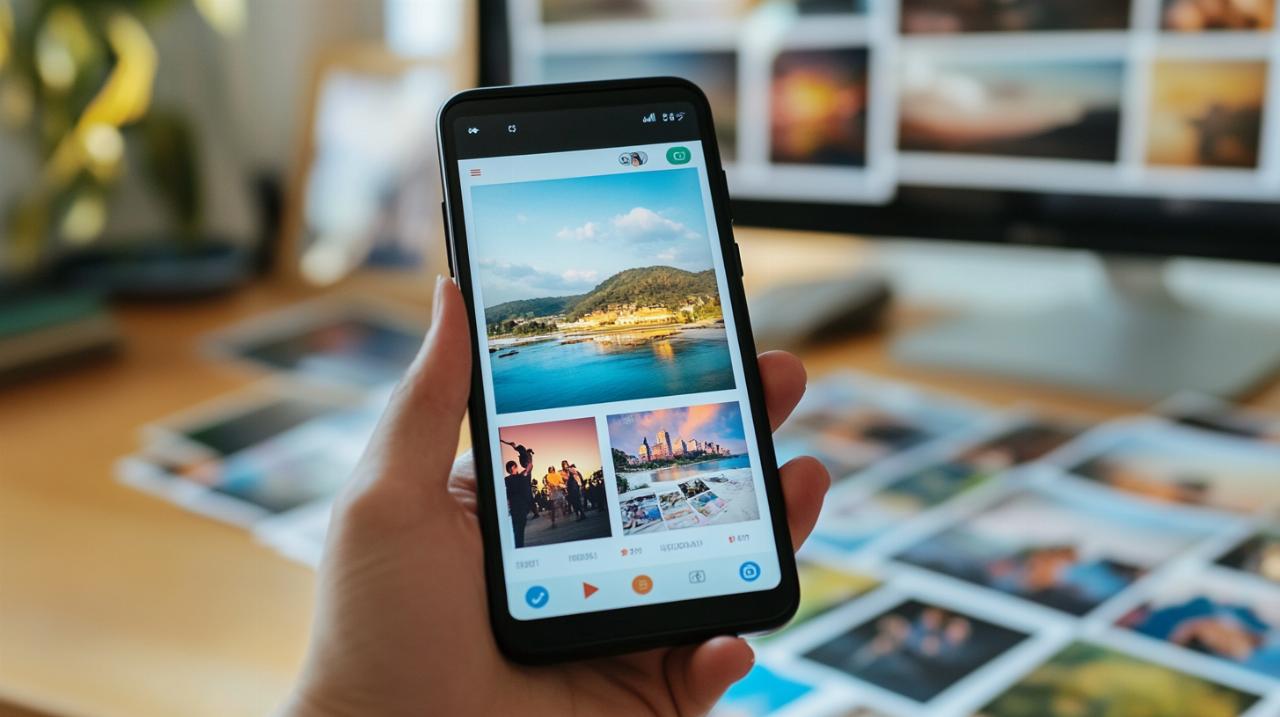
Comparing print quality standards across mobile platforms
Quality concerns often accompany discussions of complimentary services, yet user experiences with FreePrints consistently highlight the professional standard of the final products. The prints arrive sharp and colourful on glossy paper, delivered within days in protective packaging that ensures they reach customers in pristine condition. The application sources images directly from phones, Instagram, or Facebook, employing inkjet printing technology that accounted for over forty-six percent of the market in 2025. Whilst dye-sublimation represents the fastest-growing printing method due to its durability and vibrant colour reproduction, inkjet remains dominant for standard prints due to its cost-effectiveness and versatility. Paper continues to be the preferred material for approximately seventy percent of photo prints, though metal and other alternative substrates are gaining traction for wall art applications. The FreePrints interface emphasises simplicity, guiding users through selection and ordering processes that remove technical barriers, making professional-quality results accessible regardless of photographic expertise.
Maximising your photography collection through smart printing strategies
Optimising image selection from your mobile library
The abundance of digital photographs presents both an opportunity and a challenge when approaching physical printing. Rather than overwhelming oneself with the entirety of a mobile library, successful users adopt curatorial approaches that identify images with genuine emotional resonance or aesthetic merit. Artificial intelligence tools increasingly assist in this process, analysing collections to suggest photographs that exhibit strong composition, proper exposure, and meaningful content. This technological support addresses one of the market restraints identified by industry analysts: the sheer volume of digital images can paradoxically reduce the likelihood that any individual photograph receives attention. By thoughtfully selecting prints that commemorate significant moments or capture striking visual compositions, users create collections that possess coherent narrative threads rather than random assortments of snapshots. The FreePrints monthly allowance encourages regular engagement with one's photographic archive, establishing a rhythm of selection and ordering that prevents digital hoarding whilst building tangible memory collections over time.
Creating curated photo collections without breaking the bank
The economic accessibility of services like FreePrints enables creative applications that extend beyond traditional album compilation. Users report incorporating printed photographs into birthday cards, constructing photo walls that transform living spaces into personal galleries, and assembling thematic albums for children that document their development through carefully selected images. These applications align with broader market trends showing that photo gifts and photobooks represent substantial growth sectors within the industry, though standard prints still comprised over fifty-four percent of market revenue in 2025. The minimal financial commitment required encourages experimentation with different display methods and creative projects that might seem prohibitively expensive through conventional printing services. Additionally, the option to upgrade to larger sizes or specialised products such as photobooks provides pathways for users to expand their collections as specific projects warrant, maintaining flexibility whilst preserving the core value proposition of complimentary standard prints. The North American market, predicted to experience the fastest growth among developed regions, demonstrates particular enthusiasm for these hybrid approaches that combine digital convenience with physical permanence, suggesting that the appetite for tangible photographs remains robust despite the dominance of digital sharing platforms.